
ADAP Waiting Lists Update
✳︎
Iowa = 1,035 Clients
✳︎
Utah = 48 clients
✳︎
ADAP Waiting Lists Update ✳︎ Iowa = 1,035 Clients ✳︎ Utah = 48 clients ✳︎
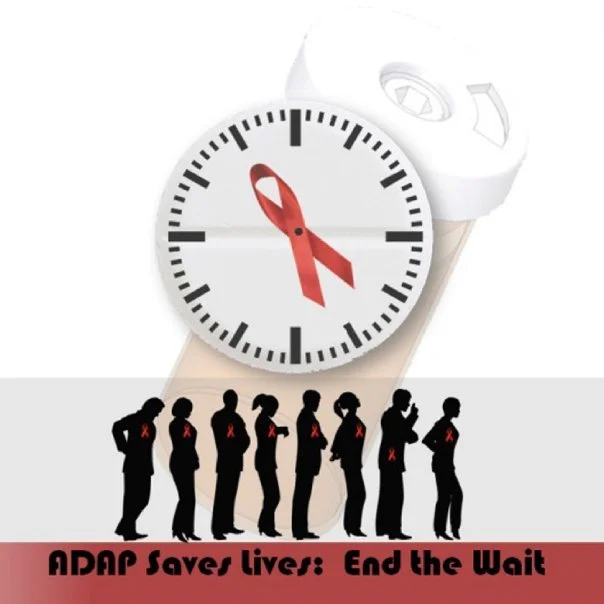
ADAP SAVES LIVES
The AIDS Drug Assistance Program is a bipartisan program designed to make sure that people in need living with HIV/AIDS in America can receive their life-saving medications. From 2009 to 2013, economic problems stretched this program, forcing thousands of patients onto waiting lists, and several of them even died.
After 13 years, people living with HIV/AIDS in two states are once again being denied access to care and treatment because ADAP is running out of money. According to the National Alliance of State and Territorial AIDS Directors’ ADAP Watch, Iowa and Utah have ADAP waiting lists.
States with ADAP Waiting Lists:

IOWA
ADAP SAVES LIVES: “End the Wait” Protect Life-Saving Care in Iowa!
For most people, a waiting list means waiting for tickets, a table at a restaurant, or a long-awaited product release. For people living with HIV, it can mean death. According to the National Alliance of State & Territorial AIDS Directors (NASTAD) and its latest ADAP Watch, 1,035 Iowans are currently on the state’s ADAP waiting list. That is more than a number. There are 1,106 lives being put in danger from loss of access to life-saving medications. Access to HIV medications should never be negotiated due to budget shortfalls and priority change. People living with HIV are not expendable.
The question we should all be asking is this: What does it say about us when people have to wait for lifesaving treatment in one of the wealthiest countries in the world? We would never accept a waiting list for emergency care after a heart attack, or a delay in cancer treatment. HIV should be no different. Access to treatment is a human right, not a privilege reserved for when the budget allows. It's time to end the wait!

UTAH
ADAP SAVES LIVES: “End the Wait” Protect Life-Saving Care in Utah!
When Utahns hear that people are on a waiting list for the state’s AIDS Drug Assistance Program (ADAP), it may not appear to be a crisis. Any time anyone is put on a waiting list for lifesaving medication should concern all of us. According to the National Alliance of State & Territorial AIDS Directors (NASTAD) and its latest ADAP Watch, 48 Utahns are currently on the state’s ADAP waiting list. The state is projecting a significant ADAP budget deficit, and additional cost-containment measures may be necessary. These are not just numbers but signs of a system under financial strain.
What is most concerning isn’t the number. It's what the number represents. People on ADAP waiting lists have already been determined eligible for assistance. They qualify for care but are left waiting because funding cannot support the need. That kind of uncertainty affects not only access to medications but also a person's ability to stay healthy, remain in care, maintain a suppressed viral load, and plan for the future!
States AT RISK FOR ADAP Waiting Lists:

FLORIDA
ADAP SAVES LIVES: “End the Wait” Protect Life-Saving Care in Florida!
Florida politicians found a temporary fix for the funding shortfall facing the state’s AIDS Drug Assistance Program (ADAP), but the fight is far from over. Community backlash and lawsuits led to emergency gap funding, and state lawmakers restored some ADAP money through 2027. This is nothing more than a temporary band-aid and is not the answer to cutting life-saving medications.
We do not need temporary patches or short-term fixes. The real solution is to fully and permanently fund Florida’s ADAP. Fully funding means that every single person living with HIV gets reliable access to medications, full support for their insurance premiums, and lives with peace of mind knowing that an investment in healthcare saves their lives. “End the Wait” for good.
Tell your state senators and representatives to support permanent, fully-funded healthcare protections afforded under the Florida AIDS Drug Assistance Program because a temporary fix puts lives at risk.

PENNSYLVANIA
ADAP SAVES LIVES: “End the Wait” Protect Life-Saving Care in Pennsylvania!
Pennsylvania’s rich history as the Keystone State holding things together dates back to the American Revolutionary War. That reputation is needed today with healthcare for Pennsylvanians living with HIV/AIDS. According to the National Alliance of State & Territorial AIDS Directors (NASTAD) and its latest ADAP Watch, Pennsylvania reduced eligibility for the state’s AIDS Drug Assistance Program (ADAP) from 500% to 350% of the federal poverty level. This change is expected to affect nearly 1,592 people, including new applicants already subject to the new limit, as current participants come up for recertification. One thing is for certain: an HIV diagnosis doesn't change, nor does the need for HIV treatment. Eligibility rules did change, which has caused people living with HIV to wonder whether the care will still be available.
One of the biggest misconceptions about healthcare is that access begins when someone walks into the doctor's office. In reality, access is often determined long before you ever make the appointment. It happens when eligibility requirements that were once met have now changed. This impact affects people who have already built their lives around the care they were determined eligible to receive!
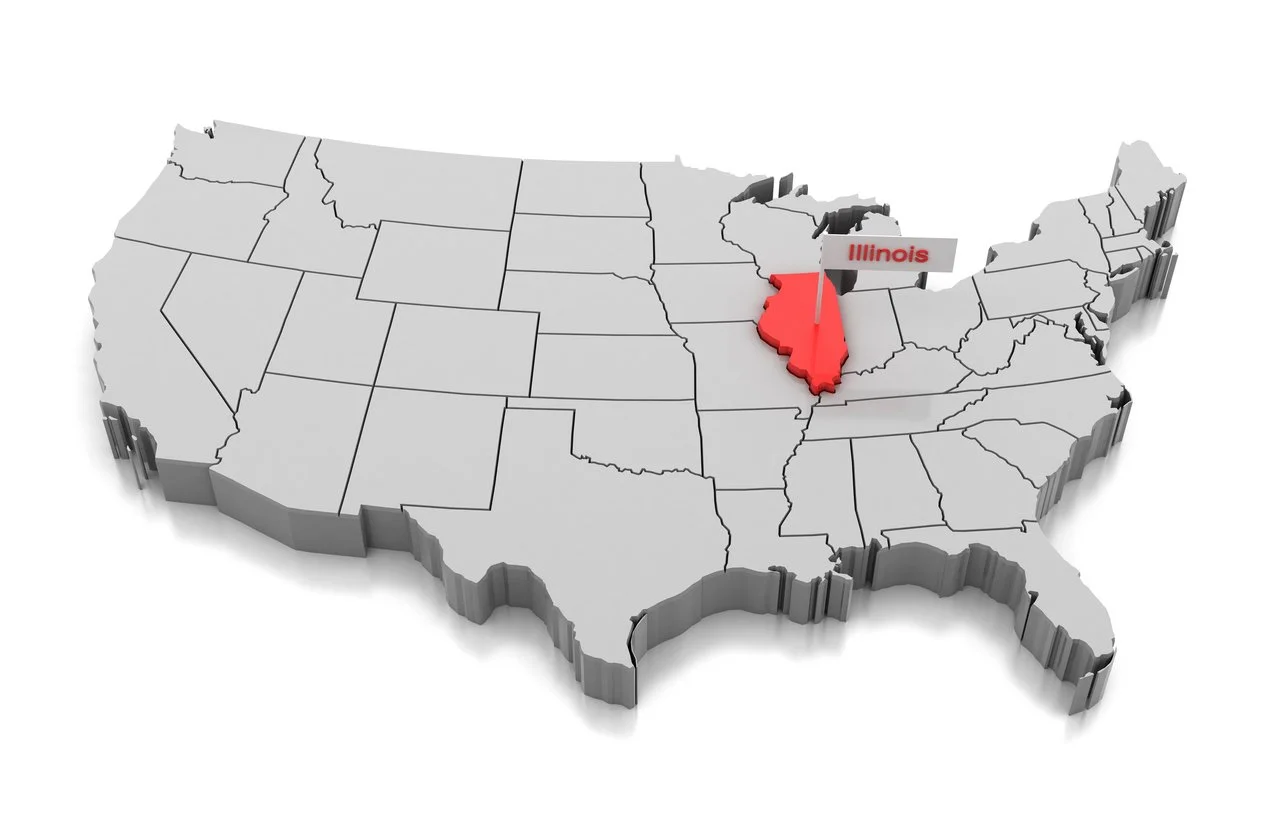
ILLINOIS
ADAP SAVES LIVES: “End the Wait” Protect Life-Saving Care in Illinois!
Illinois has not implemented a waiting list yet! It reminds us that protecting access to HIV care and treatment is about more than simply responding after a crisis begins. It is about recognizing the warning signs now, before people lose access to care later. According to the National Alliance of State & Territorial AIDS Directors (NASTAD) and its latest ADAP Watch, Illinois is projecting a minimal budget deficit, but it has implemented cost-containment measures, including reducing Ryan White Part B services, decreasing insurance premium assistance, and considering limits on the number of people the program can serve.
One lesson from the return of the ADAP waiting list in other states is that they rarely happen without warning. Budget shortfalls often lead to unnecessary decisions to cut resources from one area to stretch access to care to another. Those decisions can gradually narrow access to care, reduce available services, or limit a program’s capacity to meet the growing number of needs of people living with HIV!

TEXAS
ADAP SAVES LIVES: “End the Wait” Protect Life-Saving Care Texas!
The Texas HIV Medication Program (THMP) faces a severe budgetary crisis driven by years of stagnant federal funding and a 35% surge in benchmark insurance premiums, threatening access to care for thousands of people living with HIV. According to the National Alliance of State & Territorial AIDS Directors (NASTAD) and its latest ADAP Watch, Texas is reporting a program funding deficit. The fallout of the expected budget shortfall lands squarely on Texans who can least afford it. Although the Texas Legislature has recently stepped up with additional state funds, it is failing to keep pace with demand and skyrocketing premiums. Without Congressional intervention via additional federal appropriations, Texans living with HIV will be left to navigate through a broken system. Without reliable access to THMP, individuals face treatment interruptions that increase the risk of viral rebound.
These cost-containment measures do not merely represent paperwork delays; they turn essential healthcare into a privilege, transforming a preventable medical crisis into an unforgivable failure to public health. This structural neglect requires an immediate call to action!

2026
Public Service Announcement
“Watching ADAP waiting lists and access restrictions return across this country is deeply personal for me because I remember fighting against this years ago when funding cuts threatened access to HIV medication programs. For people living with HIV, medication is not optional. It is life-saving care. Interruptions in treatment can lead to declining health, viral rebound, drug resistance, and, in some cases, death. No one should ever be placed on a waiting list for medication that keeps them alive. This is why storytelling matters.”
Michelle Anderson, ADAP Advocacy’s Grassroots Advocacy Director
Get In Touch
If you're interested in grassroots advocacy with us, complete the form with a few details about you. We'll review your message and get back to you within 48 hours.